How Heat Affects Paint in the Albuquerque & Santa Fe Markets
Last Updated: July 9, 2026
If you've tried to paint a fence or a room in the middle of a New Mexico summer and watched the brush drag and the finish look uneven before you've even moved to the next section — you already know something is wrong. What you experienced wasn't bad technique. It was physics.
Heat is one of the most overlooked variables in a paint job, and in the Albuquerque and Santa Fe markets, it's also one of the most unavoidable. Understanding what heat actually does to paint — and how professionals account for it — is the difference between a finish that lasts a decade and one that starts failing before the monsoons arrive.
Albuquerque & Santa Fe Climates
These two cities share a lot: high desert elevation, intense UV radiation, low humidity, and summers that regularly push past 95–100°F in Albuquerque and into the upper 80s in Santa Fe. But their microclimates differ in ways that matter for paint:
- Albuquerque sits at 5,312 feet and bakes in direct sun on flat, exposed surfaces — driveways, stucco walls, south-facing exteriors — that can exceed 160°F surface temperature on a hot afternoon.
- Santa Fe, at 7,000 feet, gets intense UV at altitude and significant temperature swings — warm afternoons dropping to cool evenings — that stress paint films through repeated expansion and contraction.
Both markets experience the late-summer monsoon, which introduces sudden moisture after weeks of dry heat. That cycle of dryness, heat, and abrupt humidity creates conditions that expose every weakness in a paint system.
What Heat Actually Does to Paint
It Speeds Up Drying — Too Fast
This is the counterintuitive one. You'd think fast-drying is a good thing. In painting, it often isn't.
When surface temperatures are high and humidity is low — classic Albuquerque summer conditions — the solvents or water in the paint flash off faster than the coating can properly wet out the surface. The result: lap marks, brush drag, uneven sheen, and poor adhesion at a microscopic level that you may not notice immediately but will in a year or two.
For exterior work, this is especially critical. Paint applied to a hot surface in direct sun can skin over on top before the layer beneath has properly bonded. That thin skin traps solvents, which then try to escape — causing bubbling, blistering, and eventually peeling.
It Causes Immediate Surface Failure on Hot Substrates
Stucco, wood, masonry, and metal all absorb and radiate heat. When the substrate itself is too hot — generally above 90–95°F surface temperature — paint applied directly to it has essentially no chance of bonding correctly. The coating cooks rather than cures.
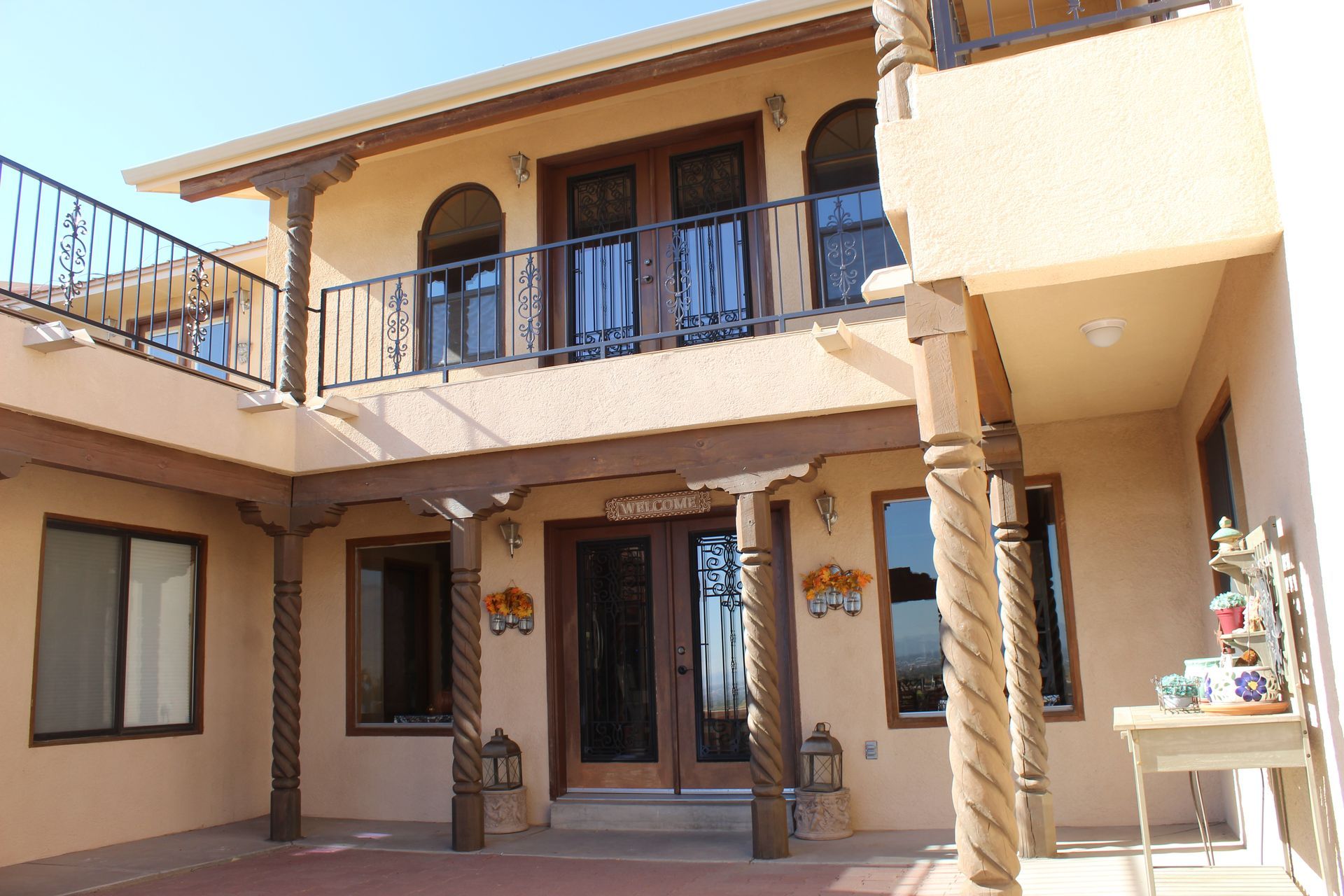
South- and west-facing walls in Albuquerque are the most vulnerable. By early afternoon, a stucco wall in direct sun can be well above 120°F. A professional painter either avoids those surfaces during peak hours or works in advance of the sun, chasing the shade around the structure as the day progresses.
It Degrades Paint Films Over Time
UV radiation at altitude is not the same as UV at sea level. Santa Fe and Albuquerque both sit high enough that the atmosphere filters less of the sun's ultraviolet energy. Over time, this breaks down the binders in paint — the resins that hold pigment together and keep the film flexible — causing:
- Chalking — the powdery white residue on exterior walls that wipes off on your hand
- Fading — pigment degradation, especially in darker and saturated colors
- Cracking and checking — when a paint film loses flexibility, it can no longer move with the substrate as it expands and contracts through daily temperature swings
This is why a paint job done with a cheap exterior product in New Mexico often looks tired after just two or three years, while a quality paint with high resin content and UV inhibitors can hold up for 10 or more.
It Stresses Caulk and Sealants First
Paint is only as good as what's beneath and around it. Caulk around windows, trim, and penetrations takes the hardest thermal beating. In Albuquerque's climate, inferior caulk hardens and cracks within a season or two — and once caulk fails, moisture gets in, substrates move, and paint follows the failure. Quality elastomeric caulks rated for high UV and temperature cycling are essential in this market, not a luxury.
How Professionals Paint Around the Heat
The best painters in the Albuquerque and Santa Fe markets don't fight the sun — they schedule around it.
Time of day matters. Most experienced painters in this region start early, working surfaces that are in morning shade. As the sun moves, they move with it — rotating around the structure to stay ahead of direct sun on wet or freshly applied surfaces.
Surface temperature checks are standard. A laser thermometer is part of any professional's kit here. If the wall reads above 90°F, it waits — no matter what's on the schedule.
Product selection is climate-specific. Not every exterior paint performs the same in the high desert. Paints with higher-quality acrylic resins and built-in UV inhibitors are worth the additional cost in this market. The same product that holds up fine in a moderate coastal climate may chalk and fade within two seasons here.
Primers are not optional. A quality primer seals the substrate, evens out porosity (stucco in particular is highly variable), and gives the topcoat something to bond to — rather than competing against a baking-hot, dry surface on a 95-degree day.
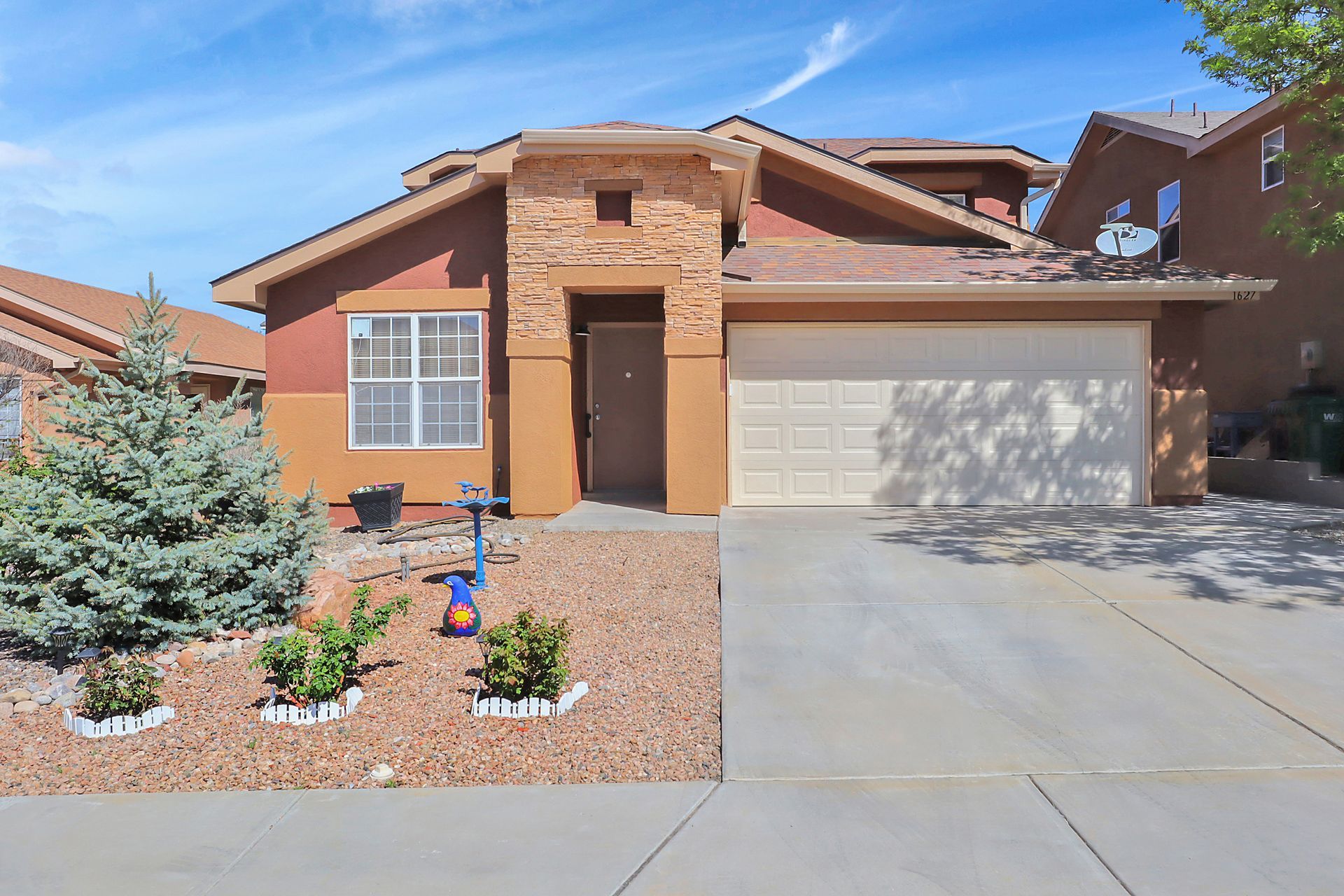
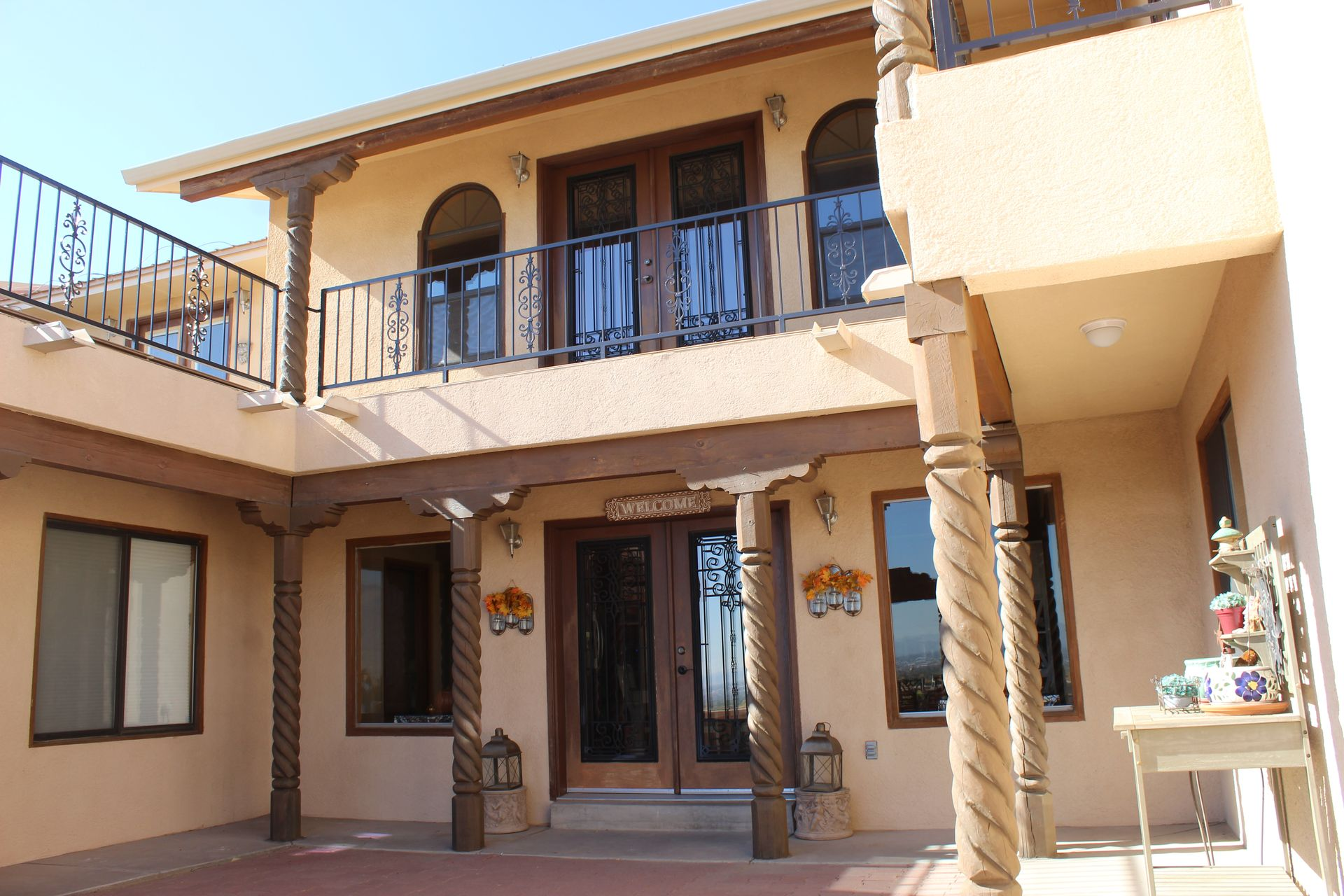
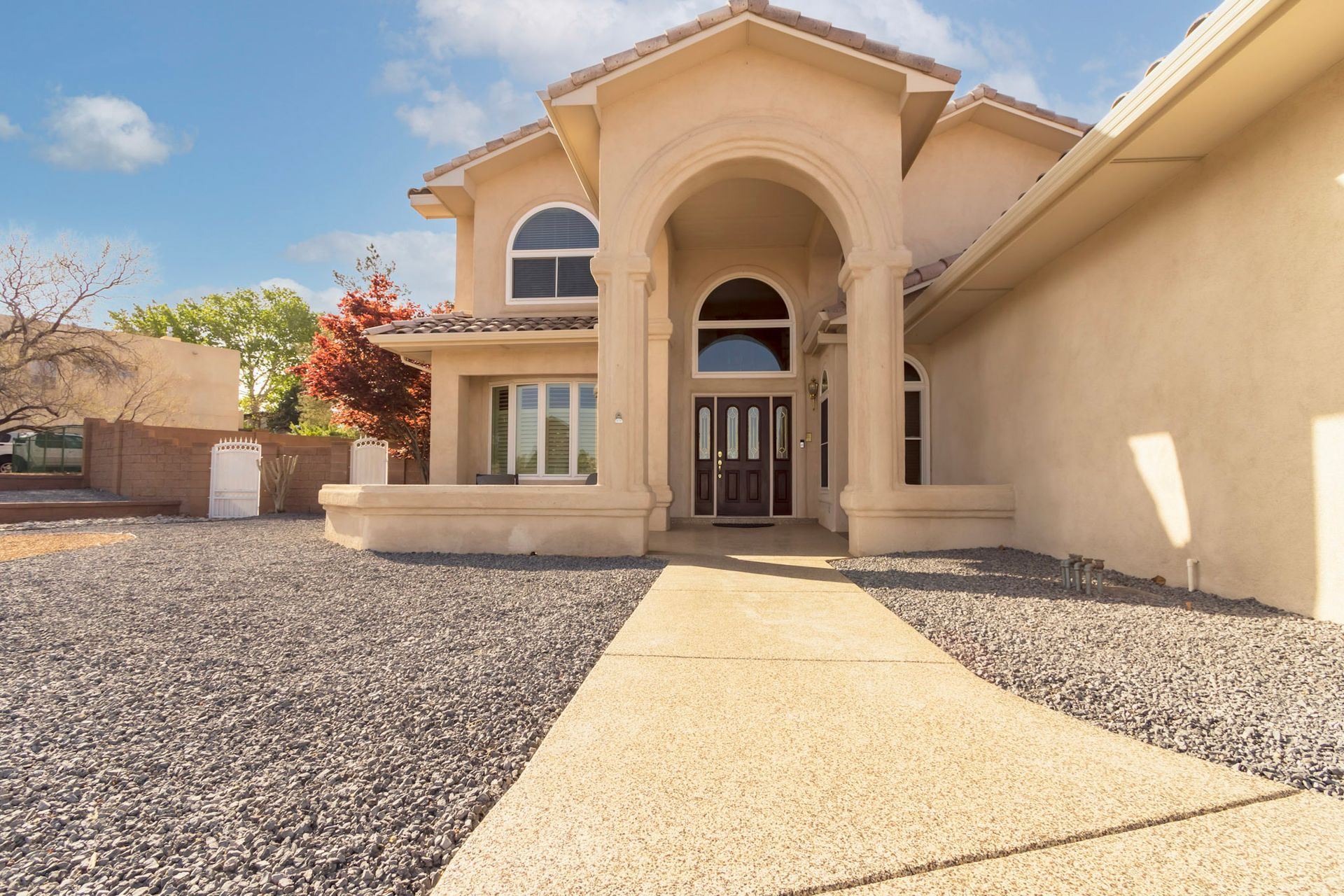
Elastomeric coatings for stucco. Many Santa Fe and Albuquerque homes have stucco exteriors, and elastomeric coatings — which stretch and recover with the substrate — are often the right call. They bridge hairline cracks, resist chalking, and hold up to the UV and thermal cycling this region demands.
Interior Paint and Heat: Often Overlooked
Most homeowners think of heat as an exterior painting problem. It isn't only that.
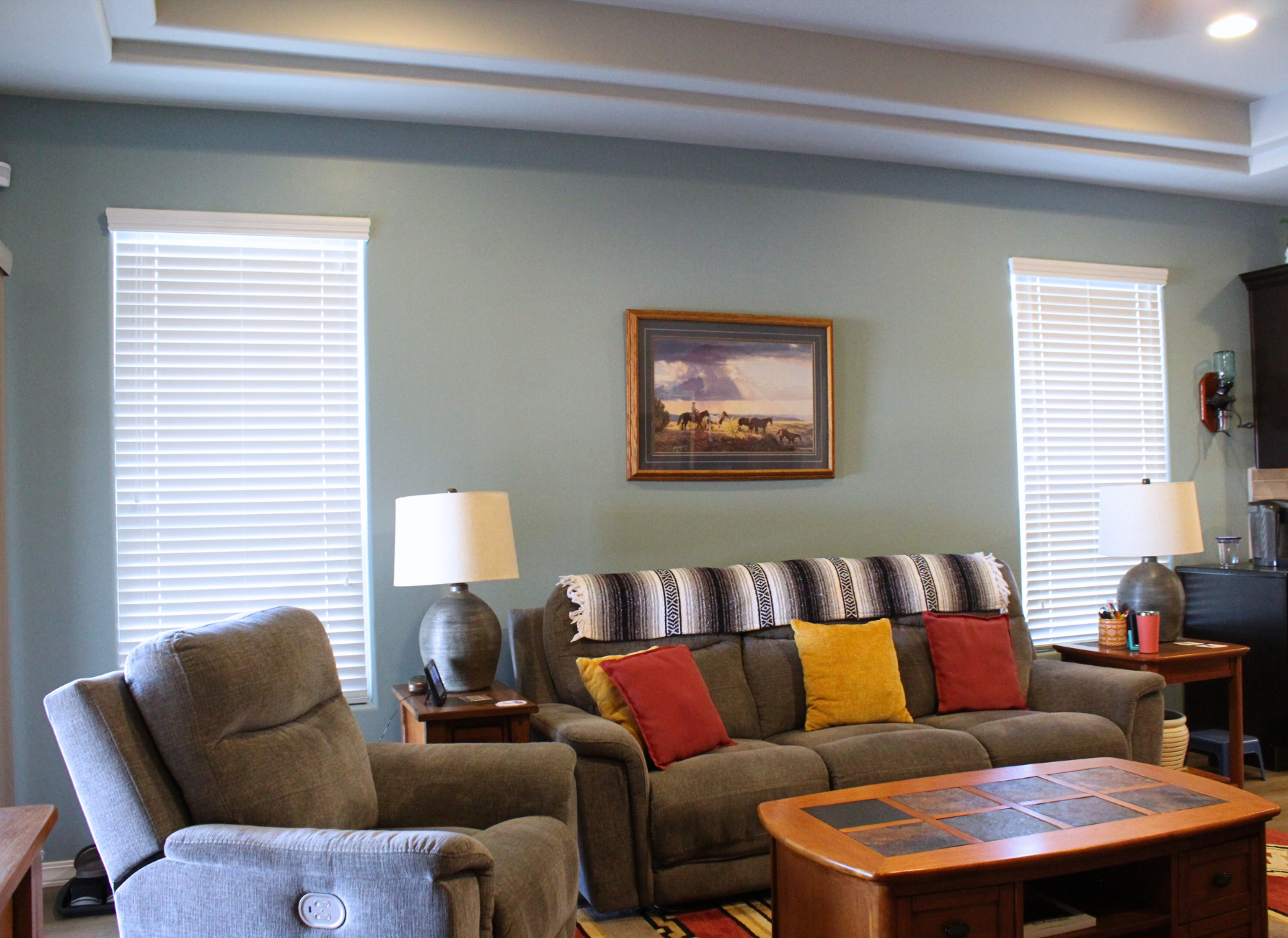
In Albuquerque especially, attic spaces and rooms with west-facing walls can get genuinely hot in summer — hot enough that interior paint on poorly insulated walls or ceilings is subject to similar stresses: adhesion problems at application, sheen inconsistency, and long-term film degradation in direct-sun rooms.
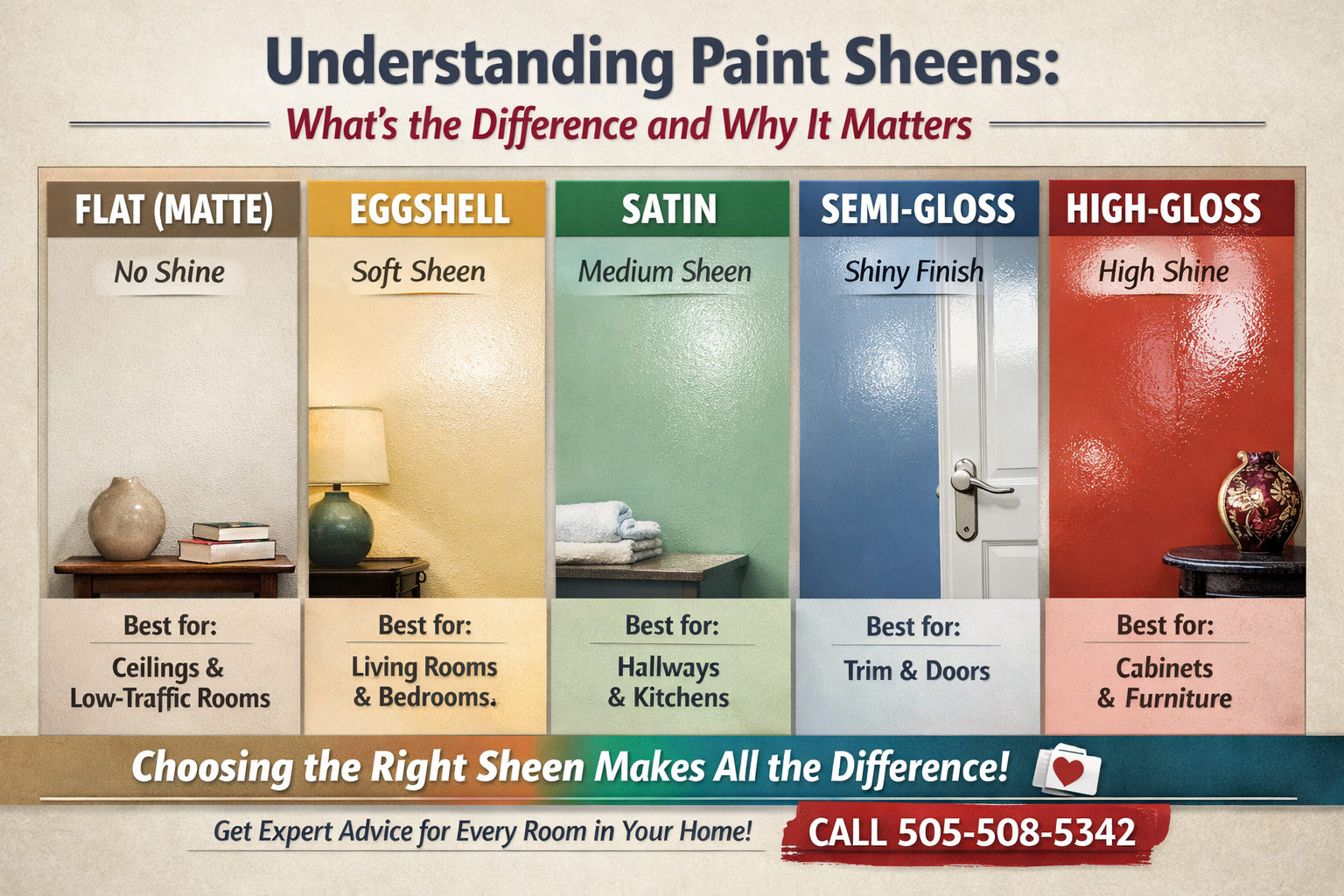
Rooms with skylights, sunrooms, and enclosed patios converted to living space are the most common interior culprits. Quality paints with higher solids content and better leveling agents perform noticeably better in these conditions than budget interior products.
Painting in New Mexico's heat isn't impossible — it's done well every day by professionals who understand the conditions. The difference between a paint job that holds up for years and one that disappoints comes down to three things: the right product, the right timing, and the right preparation.
At Mike's Quality Painting, we've worked in Albuquerque and Santa Fe long enough to know these conditions firsthand. Every project we take on is planned around the season, the surface, and the specific exposures of your home or building — because in this climate, the details aren't optional.
Ready for a paint job that actually lasts? Request a free estimate and let's talk about what your project needs.